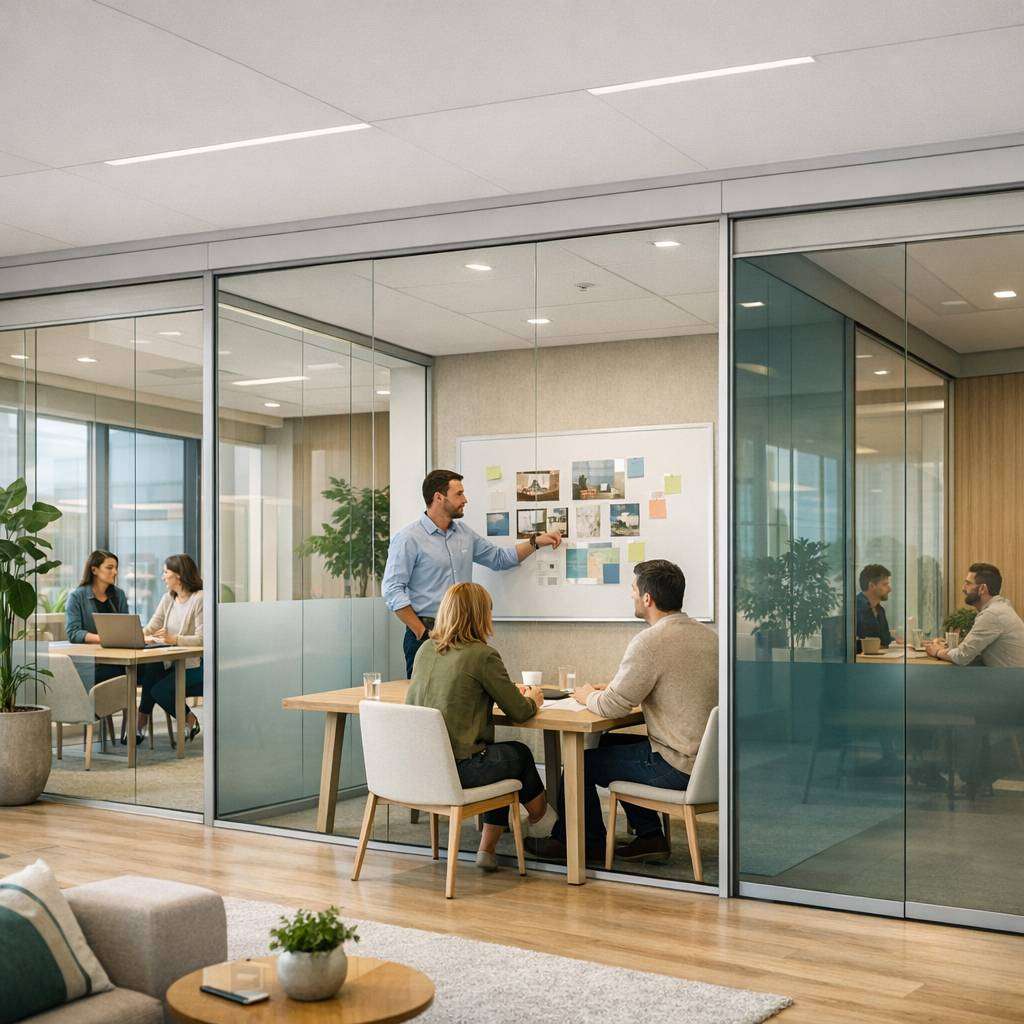
The office landscape is undergoing a quiet revolution, powered by the enduring appeal of light, openness, and collaborative energy. Glass office partitions and their many configurations offer a practical route to future-proofing workplaces while maintaining privacy where it’s needed. As we look toward 2026 and beyond, several trends are shaping how organisations deploy glass wall installation, frameless glass partitions and doors, and related systems. Here is an expert overview of what to expect and how to implement it effectively.
The rise of flexible, hybrid work spaces
Hybrid and flexible work arrangements demand spaces that can adapt to multiple uses. Glass wall dividers and glass office partition walls deliver the versatility required for hot-desking, collaboration zones, and focused work pods. By incorporating acoustic-rated glass and carefully placed opaque panels (or frosted films), spaces can transition from open collaboration to private concentration with ease. The result is an environment that supports both teamwork and individual productivity without the need for costly reconfigurations.
Acoustic performance remains non-negotiable
One of the most talked-about considerations for 2026 is acoustics. Modern glass wall systems can achieve impressive sound reduction when paired with laminated glazing, acoustic seals, and concealed channels. For those prioritising privacy, frameless glass partitions and doors with integrated blinds or privacy glass can provide a solution that ticks both aesthetic and acoustic boxes. When selecting glass wall installation components, it’s essential to review the acoustic rating (Rw) and ensure the specification aligns with the intended use of the space.
Frameless elegance meets robust performance
Frameless glass partitions and doors continue to trend because they offer a clean, minimalist look that enhances natural light and makes spaces feel larger. In practice, frameless systems rely on high-strength connections, reinforced aluminium frames, and precise installation. The choice between framed, semi-framed, or frameless designs should be guided by factors such as door hardware, traffic flow, and the level of deflection you can accommodate. For many installations, frameless doors paired with floor or ceiling channels provide seamless sightlines while maintaining structural integrity.
Glass wall doors and automatic accessibility
Automated glass wall doors add a layer of modern convenience and wellness to offices. Touchless operation, programmable access control, and soft-close mechanisms improve user experience and security. Integrating glass wall doors with the building management system can streamline occupancy management and energy efficiency. When evaluating glass wall doors, pay attention to the hardware quality, seal durability, and compatibility with any existing alarm or access systems.
Glass office partitions transform spaces, boosting light, collaboration, and modern aesthetics. By integrating unobtrusive glass partitions, teams enjoy privacy without isolation. Explore options and inspiration at www.urbansquare.net for innovative designs and durable solutions.
Privacy-enhancing solutions within open plans
Fully transparent glass can be powerful visually, but most spaces benefit from adjustable privacy options. Contemporary solutions include switchable privacy glass (electrochromic or SPD) and smart films that switch opacity on demand. Frosted or sandblasted glass finishes can be integrated into glass wall dividers to delineate zones such as meeting rooms, focus areas, and breakout lounges without introducing harsh visual barriers. For organisations concerned with branding, decorative frits or engraved patterns offer a subtle way to personalise glass wall installation.
Sustainable and practical material choices
Sustainability remains a core consideration in 2026 design. Recycled or low-emission glass, low-VOC coatings, and responsible sourcing for aluminium components all contribute to greener projects. Aluminium glass office partitions provide a robust framework with lightweight profiles and high corrosion resistance, ideal for busy work environments. If maintenance is a priority, select glass with long-term protective coatings to reduce cleaning frequency and preserve clarity over time.
Integrated storage and power in glass walls
A practical trend is integrating storage solutions, data outlets, and power modules into the partition system. Desk-height or wall-mounted sockets, cable trays, and wireless charging pads can be discreetly embedded within the framework or the floor void. This approach reduces clutter and supports a neat, professional aesthetic. When planning glass wall installation, consider the routing of wires and the accessibility of electrical connections for maintenance.
Colour, texture, and branding
While glass is inherently clear, there are many ways to introduce colour and texture without compromising the sense of openness. Tinted or coloured safety glass, subtle etching, and lithographic patterns can align with corporate branding while maintaining light transmission. Decorative films offer a non-permanent, easily updated means of changing the look of glass office walls. Branding elements can be incorporated through etched logos on glass wall dividers or through bespoke frit patterns that reflect brand identity.
Safety, maintenance and compliance
Safety remains a top priority for any glass installation. Compliance with British standards and fire-safety regulations should guide selection and installation. Regular inspection of seals, hardware, and glazing is essential to maintain performance over time. For workplaces with high footfall, choosing laminated glass or tempered options enhances resistance to impact and reduces the risk of injury from accidental breakage. Routine cleaning, using non-abrasive cleaners compatible with glass coatings, helps preserve clarity and transparency.
Budget considerations: glass wall price and value
If you’re budgeting for a glass wall project, several factors influence price. The size and complexity of the partition, the type of glass (single- or double-glazed, laminated, or tempered), the frame system (aluminium profiles vs. frameless configurations), door hardware, and any privacy features all contribute to the overall cost. When evaluating glass office walls price, it’s helpful to separate capital expenditure (installation) from lifecycle costs (maintenance and energy efficiency). In many cases, the long-term benefits—improved natural light, reduced need for artificial lighting, and enhanced staff wellbeing—can justify the investment.
Purposely flexible layouts for 2026
The ultimate goal of glass office partitions is to enable a flexible, future-ready workspace. By combining glass wall divider elements with adaptable furniture, smart glass technologies, and modular hardware, organisations can craft environments that evolve with business needs. Consider a phased approach: start with high-visibility zones and essential private spaces, then layer in privacy films or switchable glass as required. This method minimises disruption while delivering immediate benefits.
Case-fit strategies for successful installations
- Start with a clear brief: identify which spaces require more privacy, which are collaboration zones, and how much natural light you want to optimise.
- Assess structural constraints: ceiling high-load requirements, floor-slab conditions, and door swing paths influence system choice.
- Plan for acoustics: specify laminated glazing, acoustic seals, and appropriate panel sizes to achieve the target sound reduction.
- Include management and maintenance: design for easy cleaning, spare parts availability, and simple future upgrades.
- Compare glass wall price options: gather multiple quotes that include installation, hardware, and any privacy features.
Whether refreshing a single meeting room or redesigning an entire headquarters, glass office partitions offer a compelling blend of aesthetics, functionality, and long-term value. With careful selection of glass wall installation components, frameless glass partitions and doors, aluminium glass office partitions, and privacy solutions, spaces become more adaptable, healthier, and visually inspiring. The future of work is bright, light-filled, and intelligently partitioned—precisely the kind of environment that supports creativity, focus, and collaboration in equal measure.