
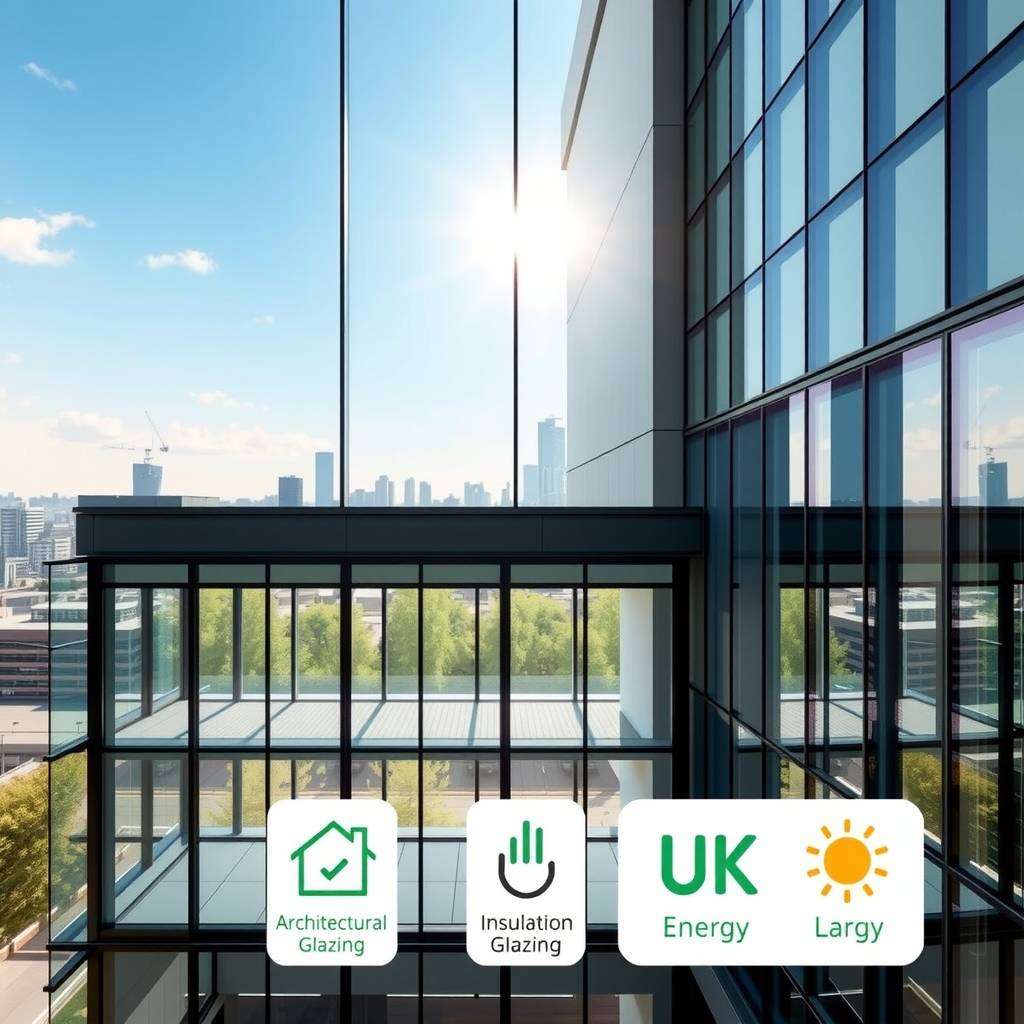
In the modern built environment, commercial spaces are increasingly adopting innovative design solutions to optimise energy efficiency while maintaining aesthetic appeal. Architectural glazing, an integral component of contemporary building design, plays a vital role in achieving this balance. By expertly managing natural light, thermal performance, and external views, architectural glazing not only enhances the visual impact of a space but also significantly contributes to energy conservation. As organisations and stakeholders prioritise sustainability, understanding the benefits and applications of architectural glazing becomes essential for architects, facility managers, and property developers alike.
Architectural Glazing: An Introduction to Its Role in Sustainability
Architectural glazing refers to the specialised use of glass and related products in building facades, windows, skylights, and internal partitions. Modern architectural glazing products are designed with advanced technologies that optimise daylight transmittance, improve thermal insulation, and reduce undesirable heat gains or losses. These features are crucial in implementing energy-efficient strategies in commercial buildings, which often face high energy demands for lighting, heating, and cooling.
The main goal of architectural glazing is to maximise natural daylight penetration, thereby reducing reliance on artificial lighting during daytime hours. Simultaneously, these products are engineered to control indoor climate conditions, minimise thermal transfer, and prevent energy wastage. Whether through double or triple glazing, Low-E coatings, or specialised tints, architectural glazing forms a cornerstone of sustainable building design.
Architectural glazing plays a vital role in modern building design, offering aesthetic appeal and energy efficiency. This innovative glazing enhances natural light while reducing thermal transfer, creating comfortable indoor environments. Whether used in facades, skylights, or curtain walls, architectural glazing provides versatility and elegance. For exceptional architectural glazing solutions, visit https://www.urbansquare.net/. Their expertise ensures high-quality materials and professional installation, helping architects and builders achieve their visionary designs with precision and style.
Benefits of Architectural Glazing in Energy Efficiency
Incorporating high-performance architectural glazing products in commercial spaces yields multiple benefits:
-
Reduction in Energy Consumption: By allowing natural daylight to illuminate spaces, glare issues are mitigated, reducing dependency on electrical lighting. Effective thermal insulation prevents heat from escaping during winter and entering during summer, decreasing the load on heating, ventilation, and air conditioning (HVAC) systems.
-
Lower Operating Costs: Reduced energy usage translates into significant cost savings over the lifecycle of the building. High-quality glazing solutions can deliver a compelling return on investment by cutting utility bills and maintenance costs associated with HVAC systems.
-
Enhanced Indoor Comfort: Consistent indoor temperatures and improved natural lighting foster a more comfortable environment for occupants, which can boost productivity and wellbeing.
-
Contribution to Sustainability Goals: utilisation of architectural glazing aligns with green building standards, such as BREEAM and LEED, which encourage energy-efficient design to minimise environmental impact.
Reduction in Energy Consumption: By allowing natural daylight to illuminate spaces, glare issues are mitigated, reducing dependency on electrical lighting. Effective thermal insulation prevents heat from escaping during winter and entering during summer, decreasing the load on heating, ventilation, and air conditioning (HVAC) systems.
Lower Operating Costs: Reduced energy usage translates into significant cost savings over the lifecycle of the building. High-quality glazing solutions can deliver a compelling return on investment by cutting utility bills and maintenance costs associated with HVAC systems.
Enhanced Indoor Comfort: Consistent indoor temperatures and improved natural lighting foster a more comfortable environment for occupants, which can boost productivity and wellbeing.
Contribution to Sustainability Goals: utilisation of architectural glazing aligns with green building standards, such as BREEAM and LEED, which encourage energy-efficient design to minimise environmental impact.
Architectural Glazing Company: Partnering for High-Performance Solutions
Choosing the right architectural glazing company is essential to implementing effective energy-saving strategies. A reputable company offers a comprehensive portfolio of architectural glazing products tailored to the specific needs of a project, considering factors like local climate, building orientation, and usage.
An experienced architectural glazing company can advise on the best product options, such as high-performance insulated glass units, Low-E coatings, and specialised tints. They also ensure that installation standards meet regulatory and safety requirements, which is vital for the long-term performance of the glazing system.
Furthermore, some companies provide customised solutions, integrating smart glass technologies, such as electrochromic or switchable glazing, that dynamically adjust transparency and thermal properties throughout the day.
Architectural Glazing Products: Advanced Materials for Energy Performance
The variety of architectural glazing products available today caters to diverse thermal, aesthetic, and functional requirements. Here are some of the most effective options used in commercial buildings:
-
Insulated Glass Units (IGUs): These consist of two or more glass panes separated by a sealed air or gas-filled cavity, which provides excellent thermal insulation. They are pivotal in reducing heat transfer and increasing overall energy efficiency.
-
Low-Emission (Low-E) Glass: Coated with microscopically thin metallic layers, Low-E glass reflects infrared and ultraviolet radiation while allowing visible light to pass through. This helps keep heat inside during winter and outside during summer, thereby reducing HVAC loads.
-
Spectrally Selective Glazing: These products selectively block specific wavelengths of solar radiation, managing heat gain without compromising colour rendering or natural light levels.
-
Self-Cleaning and Tinted Glazing: Tinted products reduce solar heat gain, while self-cleaning coatings lower maintenance costs, ensuring the glazing maintains optimal performance over time.
-
Smart or Switchable Glass: Technologies such as electrochromic or liquid crystal glass enable dynamic control over transparency, allowing occupants to adjust daylight and solar heat ingress as needed, further enhancing energy management.
Insulated Glass Units (IGUs): These consist of two or more glass panes separated by a sealed air or gas-filled cavity, which provides excellent thermal insulation. They are pivotal in reducing heat transfer and increasing overall energy efficiency.
Low-Emission (Low-E) Glass: Coated with microscopically thin metallic layers, Low-E glass reflects infrared and ultraviolet radiation while allowing visible light to pass through. This helps keep heat inside during winter and outside during summer, thereby reducing HVAC loads.
Spectrally Selective Glazing: These products selectively block specific wavelengths of solar radiation, managing heat gain without compromising colour rendering or natural light levels.
Self-Cleaning and Tinted Glazing: Tinted products reduce solar heat gain, while self-cleaning coatings lower maintenance costs, ensuring the glazing maintains optimal performance over time.
Smart or Switchable Glass: Technologies such as electrochromic or liquid crystal glass enable dynamic control over transparency, allowing occupants to adjust daylight and solar heat ingress as needed, further enhancing energy management.
Practical Applications and Design Considerations
Integrating architectural glazing effectively within a commercial building requires careful planning and collaboration with an architectural glazing company. Factors to consider include:
-
Building Orientation: Strategic placement of glazing to maximise daylight while minimising unwanted solar heat gain.
-
Shading Devices: External or internal shading can complement glazing performance, providing additional thermal control.
-
Glass Selection: Choosing the appropriate products based on U-values, solar heat gain coefficient (SHGC), and visible light transmittance (VT).
-
Air Tightness and Sealing: Ensuring high-quality installation to prevent drafts and thermal bridging, which can undermine glazing performance.
-
Maintenance and Durability: Selecting products with reliable coatings and finishes that withstand environmental exposure, preserving energy efficiency benefits.
Building Orientation: Strategic placement of glazing to maximise daylight while minimising unwanted solar heat gain.
Shading Devices: External or internal shading can complement glazing performance, providing additional thermal control.
Glass Selection: Choosing the appropriate products based on U-values, solar heat gain coefficient (SHGC), and visible light transmittance (VT).
Air Tightness and Sealing: Ensuring high-quality installation to prevent drafts and thermal bridging, which can undermine glazing performance.
Maintenance and Durability: Selecting products with reliable coatings and finishes that withstand environmental exposure, preserving energy efficiency benefits.
By combining technological advancements in architectural glazing with thoughtful design, commercial spaces can dramatically improve their energy efficiency profiles. These approaches not only reduce operating costs but also contribute positively to environmental sustainability, corporate social responsibility, and occupant wellbeing.
In essence, architectural glazing is a powerful tool in the pursuit of energy-efficient commercial spaces. The right products, installed by a reputable architectural glazing company, can transform building facades into sustainable, aesthetically pleasing features that stand the test of time.